

Introduction
So, you’ve probably seen Rudraksha beads everywhere—Instagram reels, TikTok unboxings, and even your cousin posting a selfie with a spiritual vibe. But here’s the thing: not all Rudrakshas are the real deal. Certification matters because, honestly, some sellers out there are just happy to slap a price tag on any random bead and call it sacred. A Certified Rudraksha in Sahakara Nagar comes with verification that it’s genuine, the right mukhi count, and the proper origin. Think of it like buying organic veggies; they might all look green, but certification proves they aren’t just painted zucchini.
The Types of Rudraksha You Might Actually Find
Walking into a Rudraksha store in Sahakara Nagar can feel like entering Willy Wonka’s chocolate room but for spirituality. You’ll see beads of 1-mukhi, 5-mukhi, 7-mukhi, and more, and each supposedly has a special power. Some people swear a 5-mukhi is like caffeine for your soul—keeps you calm but awake. Others go for a 7-mukhi to supposedly boost intuition. Personally, I once picked up a 6-mukhi because it was pretty, not realizing it’s supposed to help with wealth luck. Who knew spirituality could double as interior decor?
How Sahakara Nagar Shops Ensure Authenticity
If you’re wandering around Sahakara Nagar looking for a certified Rudraksha, notice how some shops have microscopes and lab reports lying around. It’s kind of funny but reassuring—you don’t want your spiritual boost to be a plastic bead glued onto a string. Certified dealers usually check for authenticity through x-rays, proper counting of mukhis, and even origin verification. Some of the sellers are almost proud scientists, explaining why the bead has five faces instead of four like you’d guess.
Online Chatter About Rudraksha Shopping
Scroll through local WhatsApp groups or Reddit threads, and you’ll see people in Sahakara Nagar debating prices, authenticity, and even how to charge their Rudraksha in moonlight. Some rave about getting genuine certified beads, while others complain about paying top dollar for fakes. It’s like the online version of Yelp reviews but with extra spirituality drama. Personally, I read one thread where someone tried to compare Rudraksha energy to Spotify playlists—it made no sense, but hey, relatable confusion counts as research.
Tips to Spot a Fake Rudraksha Without Getting Scammed
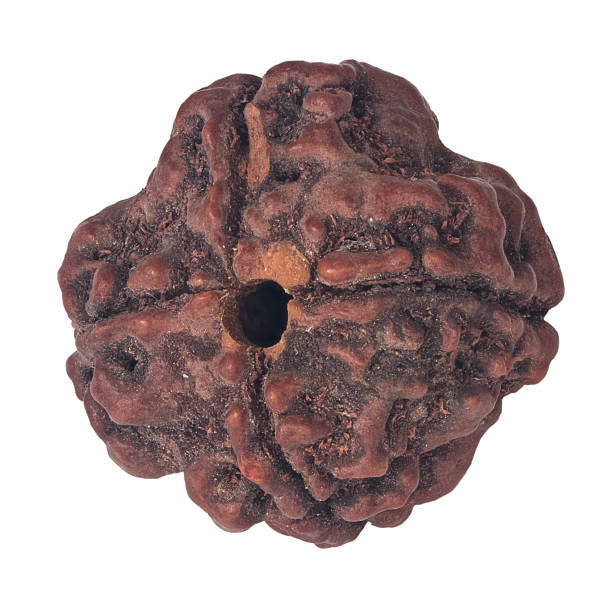
A little experience goes a long way. First, check the texture; real Rudrakshas feel rough and slightly uneven. Then, look at the mukhi count carefully—some tricksters sand down beads to make them look different. And, yeah, don’t just trust the certificate blindly; verify the shop reputation. I once saw someone excitedly post a video of their certified Rudraksha, only for comments to point out it looked exactly like a fake one from a street vendor. Lesson learned: always double-check, or you’ll be spiritually broke and financially annoyed.
Why Sahakara Nagar Is a Go-To Place
Honestly, Sahakara Nagar is like the Silicon Valley for spiritual shoppers. You’ve got a concentrated mix of experienced dealers, certified labs, and a community that actually knows their beads. It’s not just a random street market where you roll dice on whether your Rudraksha is legit. Plus, the area has some quirky charm—local chai stalls, friendly shopkeepers, and that tiny sense of drama every time someone argues about which mukhi is better for health or luck.
Conclusion
I’ll admit, my first Rudraksha purchase was chaotic. I walked into a shop, got dazzled by the shiny beads, and ended up with a 3-mukhi certified one that I’m still not 100% sure about. But that’s the fun of it—learning, observing, and occasionally getting a little scammed so you know better next time. Sahakara Nagar, with its certified Rudraksha options, saves you a lot of headaches. And hey, even if you’re skeptical, having a certified bead on your desk makes for a nice conversation starter with friends or your social media followers.