
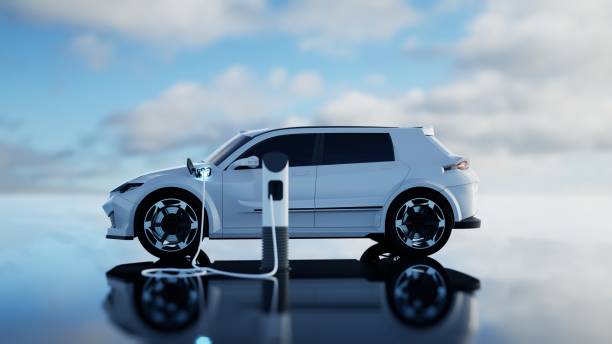

Electric cars aren’t some futuristic dream anymore — they’re literally cruising down our streets, silently but confidently. And honestly, the pace of change is nuts. I remember when EVs were basically these weird-looking, slow cars with a “meh” range, and now you’ve got Teslas doing over-the-air updates like your phone, and Lucid Motors promising more luxury than a 5-star hotel suite on wheels. But what’s really next? Where’s this whole electric ride thing headed?
The Battery Game: It’s Getting Real
Okay, so first things first — batteries. If EVs were humans, batteries would be their hearts. And right now, the heart of an EV is pumping faster than ever. Lithium-ion batteries are still king, but the scientists (yeah, the ones who look like mad professors) are working on solid-state batteries. Basically, think of lithium-ion as a backpack stuffed with rocks, and solid-state as a magic bag that’s lighter, holds way more stuff, and doesn’t explode as easily.
Range anxiety — the fear that your car’s battery dies mid-trip — has been the biggest headache for EV owners. But solid-state tech might finally crush that. Some reports hint at cars that could go 600–700 km on a single charge. I mean, that’s basically road-trip territory without a single panic moment checking the nearest charging station.
Charging: Faster Than Your Coffee Break
And talking about charging, let’s be honest — nobody loves standing at a gas pump for five minutes, but waiting 45 minutes for a battery to fill up? That’s basically a Netflix binge in waiting. Thankfully, ultra-fast charging is becoming a thing. Tesla’s Superchargers, Ionity in Europe, and some new startups are pushing for charging that gives 80% battery in 15-20 minutes. Honestly, at that pace, you might as well grab a coffee and a croissant, swipe through Insta, and boom — you’re ready to roll.
The Power of AI and Self-Driving Tech
Another thing that’s shaking up the EV world is AI. Self-driving cars are no longer sci-fi fantasy. Tesla, Waymo, and some others are slowly but surely pushing toward full autonomy. Imagine your car not just driving itself but also learning your habits, predicting traffic jams, and even suggesting scenic routes just because you’re in a “chill” mood. It sounds cool, but let’s be real, it’s also a bit terrifying. I’m not ready to nap while my car decides which turn to take… yet.
What’s interesting is how AI isn’t just about self-driving. It’s also about energy efficiency. Some EVs can now optimize battery use, regen braking, and even heating/cooling systems based on driving patterns. It’s like your car is trying to save the planet without even asking you for permission.
Sustainability: More Than Just a Buzzword
EVs are supposed to be “green,” but there’s a catch. Batteries need lithium, cobalt, and nickel — mining these isn’t exactly kind to Mother Earth. There’s a growing push for recycling old EV batteries, and companies are exploring ways to extract materials responsibly. Some startups are even looking into sodium-ion batteries — basically, a cheaper, more eco-friendly cousin of lithium.
And here’s a fun fact I stumbled upon: Norway, yes the cold, fjord-filled country, is leading the charge. Around 90% of new cars sold there are electric. That’s nuts, right? Imagine walking down a street and barely spotting a gas car. Social media is full of envy memes about it — “Norway flexing while we still pump gas.”
Design and Innovation: EVs Aren’t Boring
Gone are the days when EVs looked like a boxy science experiment. Modern EVs are sleek, sexy, and sometimes even futuristic to the point where you feel like you’re driving a spaceship. Companies are experimenting with smart glass, solar roof panels, and interiors that feel more like living rooms than car cabins. And don’t get me started on the sounds — because yeah, EVs are silent, but designers are creating artificial sounds so pedestrians aren’t like, “Hey, why’s this car creeping up silently?”
Connected Cars: The Social Side of Driving
Another thing that’s slowly creeping into EVs is connectivity. Your car might soon know what your friends are up to, alert you if there’s a party nearby, or even suggest routes based on where people in your circle are headed. Kinda weird? Maybe. But also very “Black Mirror” in a fun way. And with apps tracking charging stations, battery health, and even car-to-car communication, it’s clear cars are becoming more like smart devices than just machines.
Challenges Ahead: Not Everything is Smooth
Of course, it’s not all sunshine and rainbows. EV adoption is still pricey for many people. Infrastructure in some countries is patchy, and battery recycling isn’t fully there yet. Plus, supply chain issues — especially for rare minerals — could slow down the hype. But honestly, every new tech faces these hurdles. Remember when smartphones were $1,000 and nobody knew what to do with a touchscreen? Yeah, same story.
A Peek into the Next 10 Years
So, what’s coming down the road? Experts predict a mix of cheaper EVs, longer ranges, better charging, and more automation. Some even imagine autonomous EV “pods” that you can summon for shared rides. And for the really wild futurists, solar-powered EVs might become a thing, giving you almost endless range if you’re parked under the sun enough.
Honestly, the EV scene feels like watching a sci-fi movie unfold in real life. You’re seeing cars evolve faster than I can keep up with TikTok trends. And if you’re thinking about buying one, my advice is: go for it. The technology is solid, the options are growing, and the world is literally shifting gears.
At the end of the day, EVs are not just cars; they’re a statement — a mix of tech, style, and sustainability. And while there’s still some bumps on the road (pun intended), the future is looking electric, loud in innovation, but whisper-quiet on the streets.